EXOLOX / Market + sales strategy

Make a great product.
Build its market.

Research the opportunity. Define the offer. Build the experience that helps people choose it.

We connect product development, intellectual property, manufacturing, brand positioning, and interactive commerce into a practical plan for growth—with EXO OS keeping the work connected.

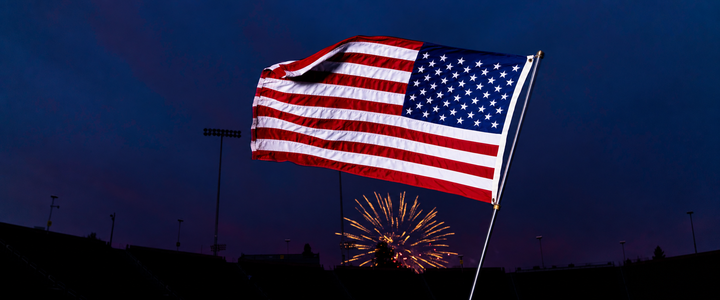
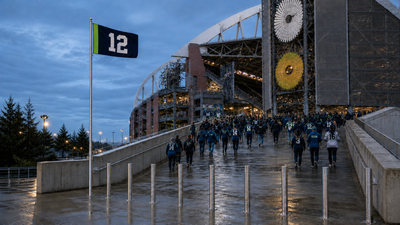
Gameday Flags USA flag displayed against an evening fireworks sky
Our working exampleGameday FlagsProducts. Configurators. A complete brand experience. ↗

01 / From insight to an offer

Strategy that reaches
the product page.

We work through the decisions behind a launch, then turn them into customer experiences, partner conversations, and repeatable operating tools.

01

SEO + search intelligence

Map the language customers use, the questions competitors leave unanswered, and the intent behind a search. Connect buying queries to products and collections; give research and how-to questions a useful editorial home.

What we build
  • Intent and competitor maps, with dated sources and gaps to validate.
  • Collection architecture, internal links, page briefs, and product terminology.
  • Accurate product data and structured-data checks; a Search Console baseline where access is available.

In practice: our flag research separates heritage, military, remembrance, and everyday buying contexts instead of treating every flag as the same search.

02

Market + commercial planning

Choose who buys first, why now, and through which channel. Compare direct sales, dealer programs, manufacturing partnerships, and licensing against the realities of cost, capacity, and service.

What we build
  • Audience priorities, use cases, competitor assortments, and channel hypotheses.
  • Pricing and contribution-margin scenarios, including freight, fees, returns, and partner economics.
  • A focused first assortment, launch budget, demand assumptions, and decision checkpoints.

The decision: which opportunity deserves a pilot—and what must be true for it to scale.

03

Positioning + the product story

Find the difference customers can see, understand, and value. Make materials, construction, design, and use part of the story, with evidence behind the claims.

What we build
  • Audience-specific value propositions and a clear product hierarchy.
  • Message, naming, visual direction, comparison, and claim-evidence briefs.
  • Collection stories, product demonstrations, sales presentations, and customer-facing proofs.

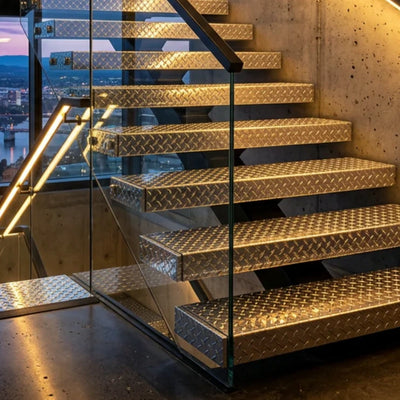
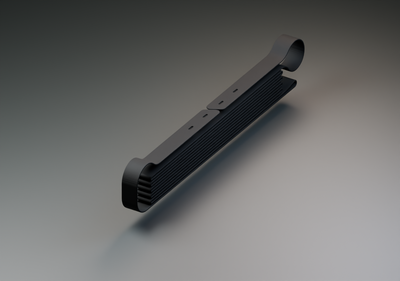
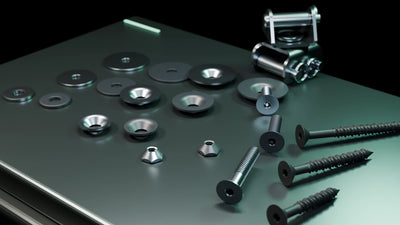
In practice: USA Everyday and Savor Gameday create distinct occasions, while detailed flag models make embroidery, seams, and hardware visible.

04

Sales paths + conversion

Make the next step obvious: explore, configure, compare, request a proposal, or buy. Connect the product demonstration to an offer that can actually be quoted, made, and delivered.

What we build
  • Live product builders with meaningful options, pricing, proofs, and clear purchase paths.
  • Campaign landing pages, dealer presentations, partner offers, and inquiry routing.
  • A measurement plan for qualified leads, configuration completion, quote acceptance, and purchases.

In practice: shared team palettes link the PRO and Authentic experiences; lightweight collection viewers lead into detailed product configurators.

05

IP strategy + design-around research

Capture what is original, investigate what already exists, and identify questions early. IP avoidance means developing distinct solutions around relevant rights—not assuming that a visual change creates clearance.

What we build
  • Invention records, prior-art and patent landscapes, preliminary claim comparisons, and alternative design paths.
  • Trademark and naming research, artwork provenance, and a register of rights questions by product and market.
  • Technical exhibits and organized evidence for counsel, plus confidentiality and disclosure checkpoints.

Research and engineering support are our scope. Qualified counsel determines legal clearance, advises on freedom to operate, and handles legal opinions, filings, and agreements.

06

Licensing + partnerships

Build an offer that works for the brand, rights holder, manufacturer, and customer. Define the contribution each partner makes and the permissions the product needs.

What we build
  • Partner-fit research, introduction materials, first-article requests, and commercial proposals.
  • Term frameworks covering products, territory, channels, royalties, exclusivity, approvals, and quality responsibilities.
  • Artwork permission records, sample review paths, and launch-readiness checklists.

In practice: our Gameday licensing program invites rights-holder and manufacturing discussions before brand-specific retail release.

07

Testing + evidence

Turn a product promise into something that can be checked. Separate appearance reviews from fit checks, physical testing, supplier ratings, and an approved production release.

What we build
  • Requirements and test plans tied to use, materials, interfaces, loads, and foreseeable conditions.
  • Supplier documentation, first-article inspection criteria, test fixtures, and qualified-lab coordination where needed.
  • A claim-to-evidence record, failure feedback, corrective actions, and release criteria.

A component rating is not automatically an assembly rating. A rendered demonstration is not a certification or a wind-load test.

08

Product systems + EXO OS

Keep the commercial story connected to the product being built. Reuse approved assets, specifications, and formats across the catalog so every new product starts further ahead.

What we build
  • Connected CAD, artwork, options, product data, customer proofs, and supplier information.
  • Shared asset references, approval records, revision history, and publication readbacks.
  • Catalog difference reports, reusable templates, and feedback from sales and production.

The handoff: a product and sales system your team can maintain, with named owners and visible decisions.

02 / Built here, in the open

Gameday Flags is
the working example.

We have been building the products, the catalog, and the tools together. Explore the experiences below to see what that means in practice.

These are live product and commerce examples. Sales lift, search growth, and campaign returns require measured baselines; we do not present unmeasured results as case-study outcomes.

03 / The campaign studio

Three opportunities.
Built to start a conversation.

Specific audiences, tangible experiences, and a commercial next step. These are EXOLOX proposals for discussion; partner participation, permissions, budgets, and launch dates remain to be agreed.

Pitch 01 / Mercedes-Benz of Eugene

Live concept · Proposed pilot

A destination
before the drive.

Bring the vehicle, the flag, and the experience into the same conversation.

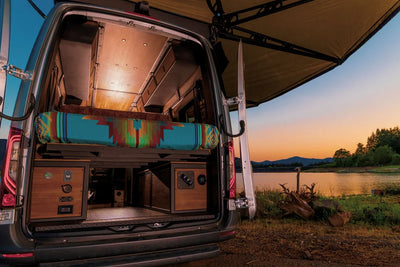
A Gameday EXT display concept for dealership events, regional gatherings, and the Sprinter lifestyle audience. Connect a striking physical presence to an interactive campaign that visitors can explore and share.

G-Class concept artwork from the existing Mercedes-Benz of Eugene sponsorship pitch

An existing, interactive proposal

Your dream Mercedes.
A bigger presence.

Explore the G-Class, Sprinter, and AMG campaign options in the live 3D experience.

Open the full-screen experience ↗Loads the detailed 3D scene on demand. AR is available through the full-screen experience on supported devices.

The opportunity

The dealership already speaks to Sprinter life and business fleets. Our proposal connects those audiences to an event experience: discover the vehicle, explore a setup, and request a conversation with the dealer.

Research: Mercedes-Benz of Eugene ↗

The proposed pilot

One agreed Eugene-area event or dealership date. Choose a vehicle story, approve the display layout and artwork, then pair the physical EXT presentation with a dedicated digital landing experience.

EXO supplies the concept, configurator, asset preparation, and measurement plan. The dealer defines the vehicle offer, event access, brand approval, and sales follow-up.

The commercial next step

Choose the campaign, location, decision maker, and budget range together. Scope a paid pilot with fabrication, installation, staffing, and content capture priced separately.

Measure: engaged visits, opted-in vehicle inquiries, booked appointments, and attributed sales where dealer reporting is available.

Pitch 02 / ESPN’s College GameDay Built by The Home Depot

Campaign proposal

Every flag
has a Saturday.

A fan-story campaign built around the people who keep showing up.

Gameday Flags proposes a traveling story-and-demonstration experience: the flag you carry, the people you gather, and the tradition you pass on.

Inside the proposed activationThe campus courtyard.
Gameday Flags campus courtyard activation with a guestbook flag, illuminated merchandise exhibit, flagpole and games.

Campus courtyard concept · Oregon colorway

Sign the flag.
Find your Gameday.

A guestbook flag starts the conversation. Hands-on games invite people to stay. The illuminated lower case presents the packed Color Flagpole Bag and our new quick-release and standard lanyards, with the shoulder strap neatly stowed beside the bag.

01 / The storyWho do you
show up for?

Short fan portraits, treasured traditions, and the journey to Saturday.

02 / The experienceSee it.
Build your setup.

A staffed product demonstration and interactive flag-and-pole experience.

03 / The next SaturdayTake the
tradition home.

A useful kit guide, permission-based follow-up, and a clear product destination.

Why this audience

Flags already have a meaningful place in GameDay culture. ESPN’s own creative has celebrated the story of Washington State’s Ol’ Crimson. Our proposal is to contribute original fan stories and useful product experiences to that culture.

Research: ESPN’s flag-tradition feature ↗

A focused first campaign

Propose one college-football weekend at an authorized partner location. Create an original story page, three short fan films, a setup demonstration, and a follow-up product guide. Use original or authorized artwork and released participant footage.

Seek a qualified introduction through the commercial sponsorship team. On-air, editorial, talent, venue, and show-mark rights are separate discussions—not assumed placements.

A measurable partnership

Agree the partner role, footprint, deliverables, rights, and budget before production. Coordinate any sponsored activation with the show’s existing commercial relationships.

Measure: completed story views, engaged landing visits, demonstration participation, consented inquiries, configuration starts, and attributed orders. Set targets after the baseline and media scope are agreed.

Pitch 03 / The Home Depot

Campaign + retail proposal

Build your
Gameday.

Turn team spirit into a project people can make their own.

A proposed connection between quality flags, thoughtfully designed pole systems, and the satisfaction of building a great gathering place—from a home display to a tailgate setup.

Track A / Customer activation

From “how to”
to a finished setup.

Build an interactive project guide with a parts list, mounting decision tree, installation requirements, product demonstration, and maintenance guidance. Show the complete setup before asking customers to choose components.

Proposed pilot: one agreed project and one digital destination, supported by a demonstration and short instructional content. A store or event activation would be a separately approved extension.

Track B / Merchant readiness

An assortment
ready for a real review.

Prepare a focused product-line proposal: specifications, substantiated claims, packaging, UPCs, costs, target retail economics, capacity, lead times, returns, and fulfillment expectations.

Proposed next step: evaluate fit with the appropriate merchant through the official prospective-supplier route. Retail acceptance and the sponsorship conversation are separate decisions.

Why the fit is credible

The Home Depot has connected sports fandom with DIY project content and live experiences. A Gameday setup guide is our proposed application of that connection, supported by a real product configurator.

Research: The Home Depot’s sports + DIY approach ↗

Make the project useful

Help customers choose the flag size, pole, mounting interface, and suitable installation. Verify supporting structures, anchors, operating limits, and test evidence before publishing installation or performance claims.

Carry the customer from the guide into a complete configuration, with the appropriate product and accessory information.

Prove the economics

Measure: guide completion, configuration engagement, qualified demand, attachment of accessories, and sales where reporting is agreed. Review product margin, fulfillment performance, and return reasons before expanding.

Official prospective-supplier route ↗

04 / From first conversation to a repeatable program

Start focused.
Earn the next step.

We scope the engagement around the decision you need to make. Deliverables, responsibilities, budget, and acceptance criteria are agreed before work begins.

  1. 01 / Discover

    Choose the opportunity.

    Audit the product, audience, search landscape, existing assets, economics, and rights questions.

    Output: opportunity brief + priorities
  2. 02 / Prepare

    Build a credible offer.

    Develop positioning, the commercial model, evidence plan, partner pitch, and customer journey.

    Output: pilot scope + decision criteria
  3. 03 / Pilot

    Put it in front of people.

    Deliver the agreed experience, confirm approvals, and capture operational and commercial feedback.

    Output: live experience + measured learning
  4. 04 / Improve

    Scale what holds up.

    Compare results with the baseline, resolve weak points, and reuse the validated formats on the next product.

    Output: next-release plan + reusable system

Measure the business.
Improve the work.

Alongside customer and sales signals, we track correction rounds, time to an explicitly approved asset, adoption of approved templates, and the effort required to launch the next product. Unknowns stay visible until the evidence is there.

Research foundations + scope

Search planning follows Google’s ecommerce guidance and product structured-data documentation. Eligibility does not guarantee search presentation or rankings.

IP planning draws on WIPO’s licensing guidance and freedom-to-operate research framework. Counsel provides legal advice and clearance.

Campaign research was reviewed September 18, 2026. Named organizations are prospective campaign audiences, not claimed EXOLOX clients or sponsors. No media booking, partner agreement, retail placement, or licensed use is represented by these proposals.

Your next opportunity

What could we
build together?

Bring us the product, the question, or the opening you see in the market.

We’ll help define the next useful step: a research brief, a product and commerce build, a partner proposal, or a focused campaign pilot.

Share a non-confidential overview. Scope, timing, budget, and any NDA can be discussed before detailed technical disclosure.